
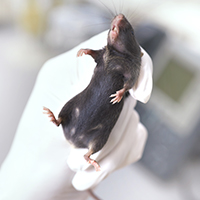
Sick Kids scientists wielding the “breakthrough” gene editing technology CRISPR have snipped out a genetic defect in mice that causes a severe form of muscular dystrophy, eliminating all signs of paralysis in the animals.
News & Events
F.D.A. panel recommends approval for gene-altering leukemia treatment
July 21, 2017A Food and Drug Administration panel opened a new era in medicine, unanimously recommending that the agency approve the first-ever treatment that genetically alters a patient’s own cells to fight cancer.
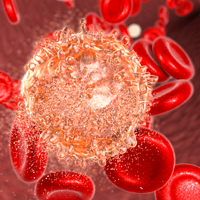
Stem-cell researchers solve mystery of relapse in acute myeloid leukemia
June 29, 2017A consortium of Toronto researchers have traced the origins of relapse in acute myeloid leukemia (AML) to rare therapy-resistant leukemia stem cells already present at diagnosis and before chemotherapy begins. “For the first time, we have married together knowledge of stem cell biology and genetics – areas that historically have often been operating as separate camps – to identify mutations stem cells carry and how they are related to one another in AML,” says Dr. John Dick of UHN, who pioneered the cancer stem cell field by identifying leukemia stem cells in 1994. The findings, published in Nature, bridge expertise from the University Health Network, Ontario Institute for Cancer Research, University of Toronto, and the Donnelly Centre for Cellular and Biomolecular Research – and provide significant insights into cell types fated to relapse to help accelerate the quest for new, upfront therapies.
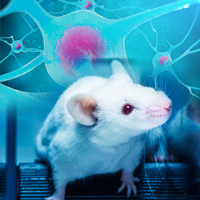
Mouse brain models reveal insights into genetics of autism
June 29, 2017Researchers have been able to show that mutation in CHD8, a gene involved in autism, causes changes to brain development, which in turn alters brain anatomy, function and behavior. The collaborative work, including Jason Lerch from the Hospital for Sick Children, was published in Nature Neuroscience, and suggests that CHD8 plays a role in brain function throughout life and may affect more than early brain development in autistic individuals. This work begins to build a cohesive model that links genetic control of brain development with behavior and brain function, and provides new implications for early and lifelong brain development.
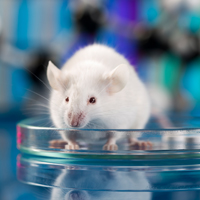
Characterizing the mouse genome reveals new gene functions and their role in human disease
June 29, 2017The first results of an international effort to produce a complete catalogue of mammalian gene function across all genes of the laboratory mouse has revealed new insights into a range of rare diseases. The research, published in Nature Genetics, has generated over 20 million pieces of data, found 360 new disease models and provides 28,406 new descriptions of the genes’ effects on mouse biology and disease. Incorporating work from the Centre for Phenogenomics and the Hospital for Sick Children, these findings hold potential for accelerating the development of new treatments and precision medicine.
Sequencing healthy patients reveals many carry rare genetic disease risks
June 29, 2017Whole genome sequencing of healthy individuals as a way to predict and prevent disease will, however, inevitably reveal variants that put them at risk for rare genetic conditions – only some of which have health implications. The MedSeq Project examined responses to such results, in both patients and doctors, and revealed “reassuring evidence that primary care providers can be trained to manage their patients’ sequencing results appropriately, and that patients who receive their results are not likely to experience anxiety connected to those results,” said Jason Vassy, lead author.

Personalized medicine is driving the Canadian bioeconomy
June 29, 2017Two Canadian companies have made a splash advancing personalized medicine in both the US and Canada. Zymeworks raised $85 million in its IPO to advance the development of disruptive therapeutic platforms and biotherapeutics – the first Canadian venture-backed IPO in the life sciences sector since 2014. Additionally, Repare Therapeutics Inc. announced a US$68 million Series A…
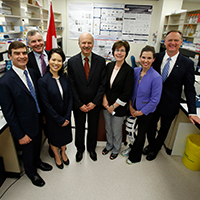
$33 million to Toronto-led Structural Genomics Consortium
June 15, 2017$33 million was announced this week for the Structural Genomics Consortium (SGC) – a Canadian-led, international public-private partnership that conducts basic science on the structures of human proteins and releases the research to the public to accelerate drug discovery. Led out of Toronto, the SGC includes sister sites worldwide, and engages public and private sector partners that collaborate to improve the lives of patients worldwide. This support, consisting of $11 M in federal funding through Genome Canada, $5 M through the Government of Ontario MRIS, and $17 M through pharmaceutical companies, will help translate scientific discoveries into potentially life-saving cures for patients with diseases such as cancer, ALS, Huntington’s disease, malaria and tuberculosis.
Twist Bioscience and BioBricks Foundation partner to provide 10,000 genes to Synthetic Biology community
June 15, 2017Representing the first time that multiple genome-equivalents of synthetic DNA will be made available at no cost to the research community, the agreement between BioBricks Foundation (BBF), a charity aiming to advance biotechnology in an open and ethical manner, and Twist Bioscience, a company accelerating high throughput synthetic gene production, is groundbreaking news for the international synthetic biology community. BBF will pay for the synthesis of 10,000 genes from Twist Bioscience, and moderate a free and open online forum that allows researchers’ input on the potential for public benefit and which genes should be built. Once manufactured, the genes will be made freely available via the terms of the Open Material Transfer Agreement (OpenMTA).

Over one thousand new microbial genomes discovered
June 15, 2017Scientists at the U.S Department of Energy Joint Genome Institute have published a report announcing the release of 1,003 phylogenetically diverse bacterial and archaeal reference genomes, representing the single largest release to date and the culmination of almost a decade of work. Microbes play important roles in regulating Earth’s biogeochemical cycles, such as the processes that govern nutrient circulation in terrestrial and marine environments. Uncovering the functions of genes, enzymes and metabolic pathways through genome sequencing and analysis has wide applications in the fields of bioenergy, biomedicine, agriculture and environmental sciences.