
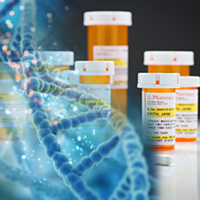
First in North Bay, but eventually all of Canada, ProZed Pharmacy Solutions is introducing access to a DNA test that aims to provide physicians with more accurate information about what medication might work, and in what doses. Samples are collected at the pharmacy and tested by Minnesota-based OneOme to help guide prescribing for a variety of drugs including those for anxiety and heart attack recovery.
News & Events
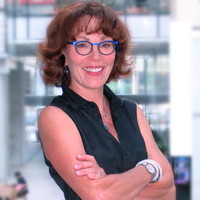
Bettina Hamelin joins Ontario Genomics as new President and CEO
August 3, 2017On August 1st Ontario Genomics welcomed Bettina Hamelin as its new President and Chief Executive Officer (CEO). Dr. Hamelin joins Ontario Genomics with over 25 years of leadership experience in academia, the biotech and international pharmaceutical industry and the public sector bringing extensive expertise as a biotechnology strategist and a champion of science and innovation….
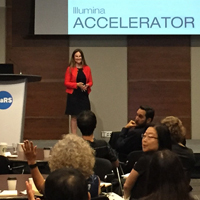
Illumina Accelerator explores genomic innovation in Ontario
August 3, 2017On July 11, 2017, Ontario Genomics hosted San Francisco-based Illumina Accelerator in Toronto, in partnership with MaRS Discovery District. Due to the overwhelming response from the community, the breakfast kick-off event was sold out, with over 150 participants. This inaugural visit of Illumina Accelerator to Toronto featured Amanda Cashin, Head of Illumina Accelerator, and Alex…
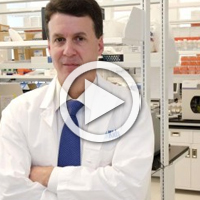
A moonshot project to surmount mental health issues
August 3, 2017Mental health is the greatest challenge in health in the 21st century. Steven Scherer at Sick Kids Hospital calls for a moonshot project including genetics, imaging and artificial intelligence to help the one in five Canadians with mental health challenges such as ADHD, anxiety or depression.

Scientists Just Made Food From Electricity
August 3, 2017Finnish researchers have created a batch of single-cell protein that is nutritious enough to serve for dinner using a system powered by renewable energy. The entire process requires only electricity, water, carbon dioxide, and microbes. The synthetic food was created as part of the Food From Electricity project, which is a collaboration between Lappeenranta University of Technology (LUT) and the VTT Technical Research Centre of Finland.
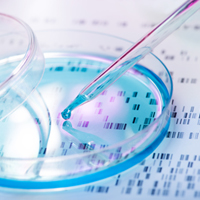
New genomics tool CITE-Seq enables large-scale multidimensional analysis of single cells
August 3, 2017A new technique developed by scientists at the New York Genome Center (NYGC) represents an important step forward for single-cell RNA sequencing, an advancing field of genomics that provides detailed insights into individual cells and makes it possible to distinguish between different cell types and to study disease mechanisms at the level of individual cells.

Canadian database of genetic variants proves its worth
August 3, 2017Clinical diagnostic laboratories may classify DNA variants differently from each other based on information difficult to share with the broader community. Toronto research Dr. Jordan Lerner-Ellis led a pan-Canadian collaboration of clinical diagnostic labs to evaluate the use of a communal database (opengenetics.ca) to harmonize test results.
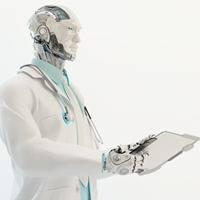
Big Data Shows Big Promise in Medicine
August 3, 2017In handling some kinds of life-or-death medical judgments, computers have already have surpassed the abilities of doctors. We’re looking at something like promise of self-driving cars, according to Zak Kohane, a doctor and researcher at Harvard Medical School. In medicine, replacing intuition with machine intelligence might save patients from deadly drug side effects or otherwise incurable cancers.
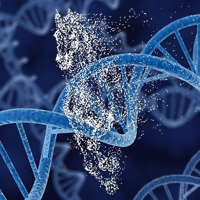
Scientists upload a galloping horse gif into bacteria with CRISPR
July 21, 2017Scientists have already used plain old DNA to encode and store all 587,287 words of War and Peace, a list of all the plant material archived in the Svalbard Seed Vault, and an OK Go music video. But now, researchers have created for the first time a living library, embedded within, you guessed it: E. coli. In a paper published today in Nature, Harvard researchers describe using a CRISPR system to insert bits of DNA encoded with photos and a GIF of a galloping horse into live bacteria. When the scientists retrieved and reconstructed the images by sequencing the bacterial genomes, they got back the same images they put in with about 90 percent accuracy.
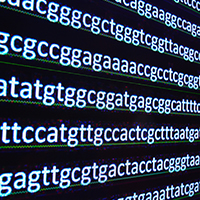
UK Biobank makes available vast trove of genetics information
July 21, 2017A vast trove of genetic data on half a million Britons became available for research into a wide range of diseases. The information was released by UK Biobank to approved researchers having been checked and strengthened over the past two years by genetics experts at Oxford University. All 500,000 UK Biobank participants provided samples of blood for long term storage and analysis, including genetic, when they volunteered for the project from 2006 to 2010. “We believe that this is the single largest release of a genetic dataset in terms of number of individuals genotyped,” says Mark Effingham, UK Biobank Chief Information Officer. “The dataset is vast, but we hope it will drive innovative and exciting studies to transform research.”