

A bill that protects Canadians from discrimination based on genetic information was passed in parliament yesterday by a vote of 222-60. Bill S-201, which was already passed in the Senate, bars health and life insurance companies from requiring a person to undergo genetic testing or to disclose the results of previous tests. The legislation also prohibits anyone from sharing genetic testing results without written consent, with exceptions for physicians and researchers. Prior to Bill S-201, Canada was the only G7 country without specific protections against genetic discrimination.
Personalized Medicine

“Cracking Cancer”: Personalized oncogenomics on The Nature of Things
March 10, 2017CBC documentary series “The Nature of Things” featured an in-depth look at the BC Cancer Agency’s Personalized Onco-Genomics (POG) program in the documentary “Cracking Cancer.” With the aim of identifying and treating cancer-causing mutations specific to each patient, these cutting-edge clinical trials hold the promise of personalized cancer care.
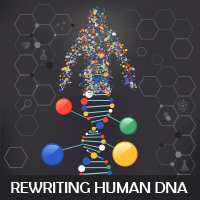
Scientists lay ground rules for rewriting human DNA
February 24, 2017In a report released by the U.S. National Academy of Sciences and National Academy of Medicine, an expert committee of scientists and bioethicists from 10 countries has laid out a set of principles to inform future manipulations of the human genome. Preaching caution, not prohibition, they recommend that regulators tightly control rather than entirely ban the option of making changes to human DNA to prevent genetic disease and disability.

Advances in precision medicine reflected in new colon cancer clinical practice guideline
February 9, 2017A new, evidenced-based clinical practice guideline on molecular biomarker testing for patients with colorectal cancer identifies opportunities for improving patient outcomes. This pivotal guideline will help establish standard molecular biomarker testing, guide targeted therapy decisions, and advance personalized care for patients with colorectal cancer.
Cracking the genetic code for why inherited disease can turn lethal
February 9, 2017CDN and AUS prostate cancer researchers have discovered a key piece in the genetic puzzle of why men born with a BRCA2 mutation may develop aggressive localized cancers that resist treatment and become lethal for up to 50% of patients within five years. The findings show that the genes normally involved in regulating cell growth and division are abnormal in the BRCA2-associated cancers and resistant to therapy from the onset.

Precision medicine for kids with brain cancer
January 26, 2017Dana-Farber scientists have released new research in which 56% of brain tumor samples from children had genetic abnormalities that could influence diagnosis and/or treatment. This suggests that more effective care could be identified by sequencing the genes of the tumors and selecting treatments that target each tumor’s specific genetic abnormalities.

What’s best for baby’s genome?
January 26, 2017Researchers and physicians from across the U.S. have formed a new consortium dubbed NSIGHT (Newborn Sequencing in Genomic Medicine and Public Health) to explore the implications, challenges, and opportunities associated with the possible use of genomic sequence information of newborns.

Looking forward: seven trends shaping genomics in 2017 and beyond
January 12, 2017Genomics research holds the key to meeting many of the global healthcare challenges of the years ahead. The major trends outlined will shape the healthcare and life science markets in the field of genomics and foster advancements in personalized medicine.

Looking back: 2016’s biggest achievements in medicine
January 12, 2017A review of the exciting developments and discoveries in medicine in 2016 – in which personalized medicine plays a substantial role.
![DNAstack launches genomics platform [OPMN Newsletter #34]](https://oldsite.ontariogenomics.ca/wp-content/uploads/2015/09/OPMN_00.jpg)