

Researchers from North Carolina State University and Nanyang Technological University have developed a model that can be used to assess emerging synthetic biology products, well before they are ready for the market, to determine what needs to be done to inform future policies. “For emerging technologies, there are a host of groups that may have an interest in determining how the technologies should be governed – from public policymakers to the private sector,” says Jennifer Kuzma, co-lead author of a paper describing the work.
News
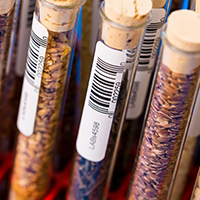
Gene-editing marks next generation of genetically altered foods
January 26, 2017A new generation of crops known as gene-edited, rather than genetically modified, is coming to the market. Created through new tools that snip and tweak DNA at precise locations, they, at least for now, largely fall outside of current US regulation.

Precision medicine for kids with brain cancer
January 26, 2017Dana-Farber scientists have released new research in which 56% of brain tumor samples from children had genetic abnormalities that could influence diagnosis and/or treatment. This suggests that more effective care could be identified by sequencing the genes of the tumors and selecting treatments that target each tumor’s specific genetic abnormalities.

What’s best for baby’s genome?
January 26, 2017Researchers and physicians from across the U.S. have formed a new consortium dubbed NSIGHT (Newborn Sequencing in Genomic Medicine and Public Health) to explore the implications, challenges, and opportunities associated with the possible use of genomic sequence information of newborns.
![Synthetic biology: Past, Present and Future [Infographic]](https://oldsite.ontariogenomics.ca/wp-content/uploads/2017/01/42-01_OGI.jpg)
Synthetic biology: Past, Present and Future [Infographic]
January 12, 2017We’re excited to present Part One of our 2017 Synthetic Biology Feature: an infographic illustrating the origins of Synthetic Biology, its growth trajectory, and future economic and social value. Over the coming months, we will be highlighting different facets of this frontier field to promote greater understanding of its potential to science, and to help key stakeholders envision and embrace synthetic biology as the future of genomics. Stay tuned!
CDN DNA barcoding technology named part of UN Biodiversity Strategic Plan
January 12, 2017The United Nations has designated DNA barcoding as part of the strategic plan for enhancing and protecting biodiversity. This announcement honours University of Guelph’s Paul Hebert–the scientist who first proposed and then honed the novel technique–and is a testament to its effectiveness in protecting biodiversity.
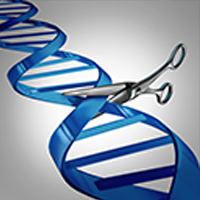
Monsanto announces global genome-editing licensing agreement with Broad Institute for newly-characterized CRISPR system
January 12, 2017Agricultural giant Monsanto has licensed CRISPR/Cpf1 technology from the Broad Institute. Genome-editing technologies provide Monsanto with powerful tools for research in plant breeding and biotechnology, unlocking the potential of genome libraries and developing new products.

Looking forward: seven trends shaping genomics in 2017 and beyond
January 12, 2017Genomics research holds the key to meeting many of the global healthcare challenges of the years ahead. The major trends outlined will shape the healthcare and life science markets in the field of genomics and foster advancements in personalized medicine.

Looking back: 2016’s biggest achievements in medicine
January 12, 2017A review of the exciting developments and discoveries in medicine in 2016 – in which personalized medicine plays a substantial role.

Tomorrow today, Ontario Genomics’ annual report
January 3, 2017The theme of this year’s annual report, Tomorrow today, reflects the incredibly fast pace in which technological innovation is changing the future. We invite you to review it, to learn more about these exciting advancements for both the field of genomics and the province of Ontario.