
Approximately 200,000 Canadians are diagnosed with cancer each year. More than one in four of these patients can benefit from targeted treatment based on a genomic analysis of their tumours.
The $6 million GAPP project between Dr. Suzanne Kamel-Reid of Princess Margaret Cancer Centre and LifeLabs Medical Laboratory Services is the first step toward a national framework for clinical cancer genome profiling in Canadian hospitals, and in providing national market access to tumour genotype information.

Our work in the health sector:
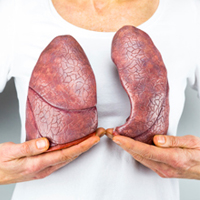
Advances in lung transplantation powered by genomics
April 1, 2015Genomics-based diagnostics are revolutionizing medicine, including in unexpected places like organ transplantation. Diagnostic toolboxes are being revolutionized by the impact of so-called “next-generation sequencing” because of the speed, low cost and breadth of information provided. The fields of prenatal diagnosis, rare disease diagnosis and cancer treatment are leaders in adoption of this technology. Not as…

Cardiovascular biomarker translation program
June 5, 2014Heart failure (HF) is the most costly chronic disease in developed and developing countries. Roche Diagnostics is partnering with the University of Ottawa Heart Institute to develop a better way to identify and classify HF, based on testing novel biomarkers for the disease. These partners will conduct further clinical evaluation of eight novel biomarker candidates, with the intent of developing a HF biomarker panel and an accompanying clinical development program to translate the findings from basic research to clinical benefit of patients. The Panel aims to assist physicians in earlier identification and classification of HF and support personalized treatment that might result in more effective therapies and better outcomes for patients.
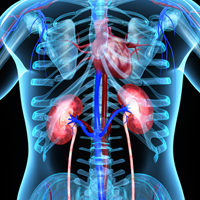
Preventing acute kidney injury after cardiac surgery
June 1, 2014More than one million cardiac surgeries are carried out each year, usually successfully. Nearly one-third of high-risk patients, however, will experience a rapid loss of kidney function after surgery, known as Acute Kidney Injury,. Drs Dumont and Van Slyke conceptualized and designed a drug called Vasculotide (VT) that binds to the Tie2 receptor, which is responsible for maintaining vascular health (and thus blood flow). Vasomune Therapeutics, the company developing and commercializing the drug, is partnering with these researchers to develop VT for human clinical trials. This work will enable improved prevention and treatment of Acute Kidney Injury.

The Cancer Genome Collaboratory
April 30, 2014Lincoln Stein’s of OICR is setting up a unique cloud computing facility which will enable research on the world’s largest and most comprehensive cancer genome dataset. Rather than requiring researchers to spend weeks downloading hundreds of terabytes of data from a central repository before computations can begin, researchers will upload their analytic software into the Collaboratory cloud, run complex data mining and analysis operations across cancer genome sequences and their associated donor clinical information, and download the compiled results in a secure fashion.
A device for rapid diagnosis of infectious disease
April 1, 2014Conventional lab testing for infectious diseases such as Hepatitis C, malaria and tuberculosis is inefficient and not cost-effective, particularly in developing countries. The development of fast and accurate point-of-care testing for these infections would significantly improve the clinical management of infectious diseases. With the use of a $5.9 GAPP award, Xagenic is partnering with Dr. Shana Kelley from the University of Toronto to leverage expertise in viral assay development, sensor technology and plastic chip fabrication. This project will lead to a single affordable and accurate genotyping test to screen for infectious pathogens, and will provide a new solution for rapid disease diagnosis.
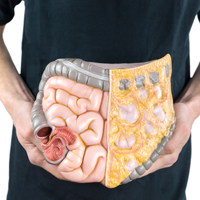
Improving detection and treatment of IBD
September 22, 2012Inflammatory bowel diseases (IBD), such as Crohn’s disease and ulcerative colitis, are incurable debilitating lifelong diseases that can affect children. Early detection is critical to avoiding complications and improving their quality of life. At the moment, however, there is no single test to determine the presence or type of IBD and the tests that exist are very uncomfortable for children. Drs. Alain Stintzi, David Mack and team are using $2.9 million from the LSARP competition developing a simple, non-invasive approach to detecting IBD that will also be more cost effective. Using cutting-edge technology, the scientists will examine intestinal bacteria to develop better ways of identifying IBD and determining its severity. This work could also lead to new treatment, enhancing the quality of life for children everywhere

Engineering better specimen quality for RNA disruption assay
June 5, 2012Rna Diagnostics Inc, an early stage molecular diagnostics company, is developing assays aimed at assisting in the management of cancer chemotherapy. The company will use an Ontario Genomics’ PBDF investment to further develop and validate their lead product, the RNA Disruption Assay™ (RDA™). This assay is designed to monitor a patient’s response to chemotherapy earlier in treatment than current methods, and has the potential to be a valuable tool in terms of helping provide a personalized approach to chemotherapy management.
Mesenchymal stem cells for inflamed joints
June 5, 2012Tissue Regeneration Therapeutics (TRT) is a start-up company that is developing umbilical stem cell-based treatments. TRT will use an Ontario Genomics’ PBDF investment to conduct proteomic and transcriptomic analyses to further understand their mesenchymal stem cells. These studies will provide valuable information needed for regulatory approval to conduct human clinical trials and further differentiate their product from those of competitors.
Developing therapeutics using MaMTH
June 5, 2012A research team at the University of Toronto is validating a novel protein interaction technology – the MaMTH system as a screen in arrayed and pooled formats. Utilizing an Ontario Genomics’ PBDF investment, the team will conduct the development and validation necessary to make this assay commercially viable. Once on the market, this tool will expand the resources available to researchers and companies developing new therapeutics.