
As the field of synthetic biology advances at a rapid pace, it necessarily raises regulatory and ethical questions which must be assessed and addressed. The following is an independent piece presented by Dr. Marc Saner of the Institute for Science, Society and Policy (ISSP) at the University of Ottawa. In it, Dr. Saner offers his take…
News & Events
26 novel genes linked to intellectual disability
April 20, 2017Researchers at the Centre for Addiction and Mental Health and Queen’s University have identified 26 new genes linked to intellectual disability. This study, the largest of its kind in North America, has implications for the diagnosis and clinical care of those affected by intellectual disability, with potential to eventually lead to personalized treatments for affected individuals.

What precision medicine can learn from the NFL
April 20, 2017In the NFL, rival franchises compete bitterly on the field every Sunday, yet have developed a structure that enables the entire enterprise to flourish and profit. In contrast, misplaced competition in cancer research and siloed clinical and genetic data, impedes cancer care advancement. What if a philosophy similar to the NFL could be brought to precision medicine, encouraging data sharing so that drug development and discovery are accelerated, while still allowing for competition and profit?

Efficient microbial fuel cell made from paper
April 6, 2017In the search for alternative forms of energy, fuel cells are a renewable source of energy being actively pursued by scientists. At the University of Rochester, scientists have constructed a fuel cell that relies on bacteria found in wastewater. The cell, which consumes toxic heavy metal ions in wastewater and ejects electrons, has exciting applications to mining water remediation and bioenergy capture.

New artificial intelligence research institute launched in Toronto
April 6, 2017The Vector Institute, an independent artificial intelligence (AI) research facility, has launched in Ontario. Dedicated to cutting-edge exploration of AI, it will advance research and drive the adoption and commercialization of AI technologies across Canada. It’s aim is to produce, attract and retain world-class talent as part of a Canadian-rooted economic supercluster.
Spera Genomics offering preventive whole-genome sequencing to Canadian patients
April 6, 2017Spera Genomics is offering patients in Canada a preventive whole-genome sequencing service with annually updated clinical reports, all in the context of a long-term research study. The company received approval for the sequencing study of healthy individuals from a Canadian ethical review board late last year and is now ready to sign up its first clients. Participants pay $4,000 upfront and a monthly subscription fee of $180.
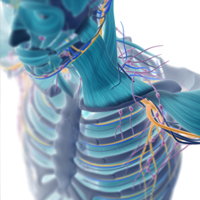
3D humans could revolutionize precision medicine
April 6, 2017A cross-disciplinary team is building a complete morphological and physiological virtual human, mapping all anatomical parts and their possible variations. The Parametric Human project will create a central repository and platform where researchers can share data, and ultimately develop targeted therapies, map complex surgeries and create simulation-based training for health care professionals.
How the genomics revolution could finally help Africa
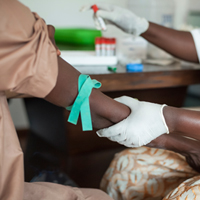
April 6, 2017It took a public-health disaster for the Zimbabwean government to recognize the potential of precision public health. As a result of a common genetic variant, a switch to a new HIV treatment in 2015 proved toxic to 20% of the Zimbabwean population. Today, new investments promise to get precision public health off the ground.

The Genome Project Write: A Global Synthetic Biology Initiative
March 23, 2017What is the Genome Project-Write? Thirty-two years ago, the largest life science project ever conducted, the Human Genome Project (HGP), was proposed to “read” or sequence a human genome. Successfully completed in 2003, this project sparked a revolution in science that has changed the way we understand the human body and the world, and incited…
Teenager’s sickle cell reversed with world-first therapy
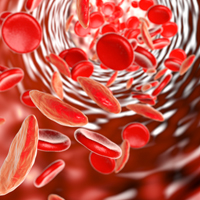
March 23, 2017A French teenager’s sickle cell disease has been reversed using a pioneering treatment to change his DNA. Doctors removed his bone marrow, and using gene therapy, re-engineered its DNA to create the right type of red blood cells. The corrected bone marrow was then put back into the patient. The teenager has been making normal blood since the procedure 15 months ago, with “no sign of the disease, no pain, no hospitalisation.”