

The genetic defect in connective tissue affects one in 5,000 people; the Health Minister chose Leap Year Day to be officially designated Rare Disease Day.
News
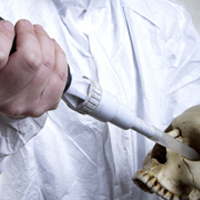
Researchers hope Neruda’s bones hold answer to poet’s death
March 7, 2016In Canada and Denmark, parallel teams of scientists are now in the midst of a unique investigation to determine if the Chilean poet’s bones can speak from beyond the grave.

Decline of pollinators poses threat to world food supply
March 7, 2016Without an international effort, a new report warns, increasing numbers of species that promote the growth of hundreds of billions of dollars’ worth of food each year face extinction.

Sustainable alternative to leather: Pineapple leaves?
March 7, 2016Carmen Hijosa has created an alternative to both leather and pleather. The material called Piñatex is inspired by weavers in the Philippines who work with pineapple leaf fibers.
![Do you have an idea for the Precision Trials Challenge? [OPMN Newsletter #15]](https://oldsite.ontariogenomics.ca/wp-content/uploads/2015/09/OPMN_00.jpg)
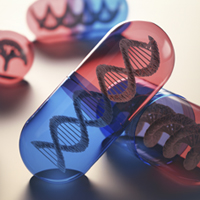
How your DNA can help perfect your medication
February 18, 2016A team of researchers at the University of British Columbia are testing patients’ saliva for genetic variations that affect how individuals respond to medications. The largest in North America, this study will look at whether community pharmacists can gain the skills required to collect DNA samples from patients, walk them through the consent process and explain how specific drugs may interact with the patient’s genetic makeup. So far, 200 patients in 33 pharmacies throughout British Columbia have participated in the study. The next phase, launched this month, will involve 1,000 patients in pharmacies across Canada this year. The goal, researchers say, is to bring personalized medicine to a pharmacy near you.

Converting agricultural biomass to sugar
February 18, 2016Bioindustrial Innovation Canada (BIC) has confirmed the potential of available technologies to convert agricultural biomass to sugar.
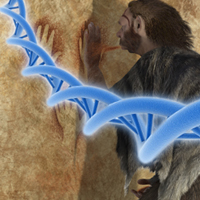
The link between Neanderthal DNA and depression risk
February 18, 2016Even though Neanderthals are now extinct, every living person outside of Africa can trace between 1 and 5 percent of our DNA back to them.
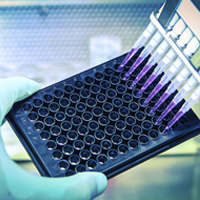
Real time outbreak surveillance using genomics
February 18, 2016New research has shown how genome sequencing can be rapidly established to monitor outbreaks.
An artist asks: Whose business is our DNA?
February 18, 2016Heather Dewey-Hagborg created masks of strangers based on genetic material left behind, addressing regulations about DNA collection.