

Ontario Genomics is pleased to announce the appointment of Dr. Tom Corr and Dr. Diane Gosselin to its Board. These highly accomplished individuals bring a wealth of insight, experience and expertise in areas crucial to our business that will contribute to fulfilling the mission and achieving the strategic objectives of Ontario Genomics. Tom Corr is President…
News
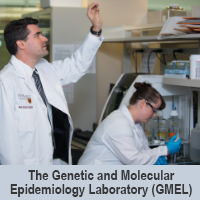
The Genetic and Molecular Epidemiology Laboratory (GMEL) – Advancing the promise of personalized medicine
November 7, 2018The Genetic and Molecular Epidemiology Laboratory (GMEL) at McMaster University is a premier genomics and proteomics facility offering a broad range of analytical services for academic and industry scientists. Established in 2009 by Guillaume Paré, MD, GMEL offers a broad array of cutting-edge “omics” platforms and technologies for high-throughput analyses of nucleic acids and protein…
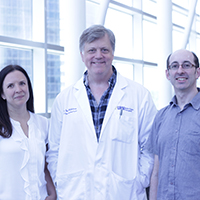
Revealing the molecular mystery of human liver cells
November 7, 2018A map of the cells in the human liver has been created by University Health Network Transplant Program and University of Toronto researchers, revealing for the first time differences between individual cells at the molecular level which can have a profound impact on their behaviour in tissue, tumours and disease.
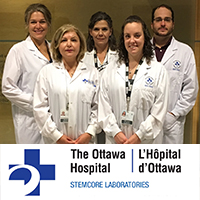
StemCore Laboratories: Catalyzing genomics projects in the Nation’s Capital
October 4, 2018StemCore Laboratories is one of Canada’s most advanced genomics facilities, fueling breakthroughs in stem cell research and regenerative medicine, as well as other health-related areas such as cancer, heart disease, and diabetes. Located at the General Campus of the Ottawa Hospital, StemCore is a core facility of the Ottawa Hospital Research Institute (OHRI) and the…

Ontario Agriculture & Agri-food Sector to benefit from Regional Priorities Partnership Program
October 4, 2018October 3, 2018, Ontario, Canada – Putting genomics innovations in the hands of those who use them leads to increased competitiveness, economic growth and job creation. Today, Ontario Genomics (OG), The Agricultural Adaptation Council (AAC) and Genome Canada (GC) announced the launch of the Ontario Regional Priorities Partnership program (ON-RP3) – a new, industry-pull funding…

New applied genomics projects to spur innovative technologies and job creation in agri-food, health and the environment
August 16, 2018August 16, 2018, Lincoln, Ontario – The application of genomics-based research and development is strengthening Ontario’s economy. It is leading to much needed advancements in farming practices, health care, and environmental stewardship. Bringing together academic researchers with companies to accelerate technology development lays the foundation for increased competitiveness, economic growth and job creation. Today, the…

Cracking the code
August 7, 2018As published on the July/August 2018 Water Canada Magazine By Britney Hess Ontario unlocks genomic information to propel the circular economy. Understanding the genomics of our biological planet is key to addressing the grand challenges facing our world today, from climate change and global population growth to increasing food and energy demands, health issues, and protection of our natural resources. Every…

Gene editing tool CRISPR back in the bad books?
July 25, 2018Recently a research paper in the prestigious journal Nature was retracted; it had raised concerns that the CRISPR-based gene editing technique may cause widespread genetic damage but the authors faced criticism over the use of experimental controls. A new paper just release has raised new doubts, at least about the use of CRISPR to do gene editing inside people’s bodies. The new research found large deletions in about a fifth of the CRISPR-exposed cells. This problem may be circumvented by newer variations in the CRISPR technique, but caution appears warranted in proceeding to therapeutic use.

The UK’s NHS to offer routine DNA tests
July 24, 2018People in England will soon have access to DNA tests on an unprecedented scale when their health service becomes the first in the world to routinely offer genomic medicine. The service will first focus on cancers and rare diseases, with future tests to identify patients who may react badly to certain drugs, as well as tests that may predict onset of a disease such as Parkinson’s, multiple sclerosis and dementia. This initiative is an outcome of the UK’s 100,000 Genomes project and benefits from the expertise developed therein.

How to show consumers the benefits of genetically modified foods
July 24, 2018Through a Genome Canada-SSHRC funded project, Dr. David Zhang and Grant Wilson have published a paper showing that consumers’ attitudes toward GM foods, their willingness to purchase them and the price they are willing to pay could be significantly improved if GM products had a direct benefit to them personally. In other words, changing the value proposition from industry-centric to consumer-centric may help to mitigate the negatives associated with GM food.