

In response to a need for a simpler, more cost-effective and environmentally responsible solution for treatment of wastewater, Ontario Genomics, alongside an NSERC Engage Plus award, supported a partnership between Bishop Water Technologies (BWT) and Dr. Christopher Weisener and his colleague Dr.Rao Chaganti of the University of Windsor. They are working together to find a solution for BWT’s product, BioCord, that would be affordable to communities, environmentally responsible, simpler to operate, and compliant with Federal and existing provincial regulations.
Impact stories
What is Personalized Medicine?
May 30, 2016Personalized Medicine is an approach to health care in which treatment is informed by a deep understanding of the genomic and other molecular changes that contribute to the disease. The concept of Personalized Medicine is embodied by the expression “the right medicine to the right person at the right dose and at the right time.”
![Better detection of heart failure [Video]](https://oldsite.ontariogenomics.ca/wp-content/uploads/2016/06/Tile_Health-04.jpg)
Better detection of heart failure [Video]
November 30, 2015Dr. Peter Liu of the University of Ottawa Heart Institute discusses his research, which, through a partnership with Roche Diagnostics, is working to develop a novel heart failure biomarker panel that accurately diagnoses and classifies the disease. This solution enables physicians to select the best and the right treatment for individual patients.

First to invest
November 25, 2015As leaders in identifying the potential for, and investing in the development of early-stage genomics and proteomics discoveries, we are often the first to invest in winning ideas that will be attractive to later-stage investors for commercialization of the technology. Through our demand-pull model, along with our affiliation with Genome Canada, we’ve successfully identified, nurtured…
![Using genomics to improve wastewater treatment plants [Video]](https://oldsite.ontariogenomics.ca/wp-content/uploads/2015/09/Capture-825x510.png)
Using genomics to improve wastewater treatment plants [Video]
September 30, 2015A 2015 video testimony from Don Bishop of Bishop Water Technologies (BWT) describing how genomics can be a solution to make wastewater plants more effective and cheaper. Specifically, he talks about his organization’s experience using metagenomics to help improve and optimize BWT’s “BioCord” technology for municipal and industrial wastewater treatment.
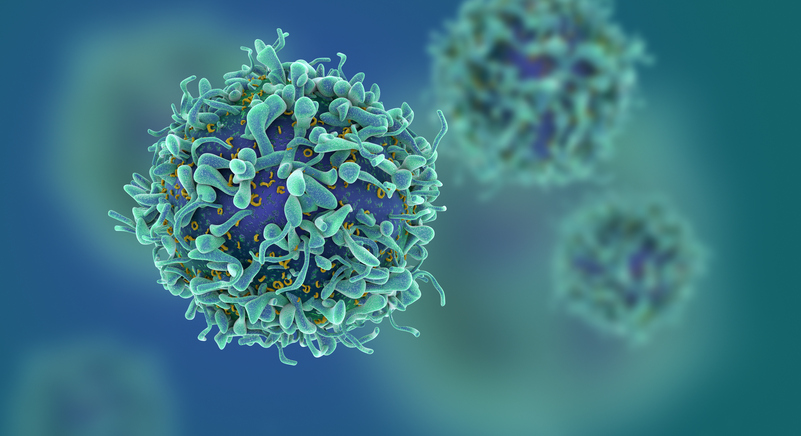
Understanding cancer causing cells
September 22, 2015Every organ and type of tissue in the body contains a small number of what scientists call “adult” or “tissue” stem cells. Since most cells in the body live for just a short time, the body needs to keep making new cells to replace them. Adult stem cells ensure a continuous supply of new cells…
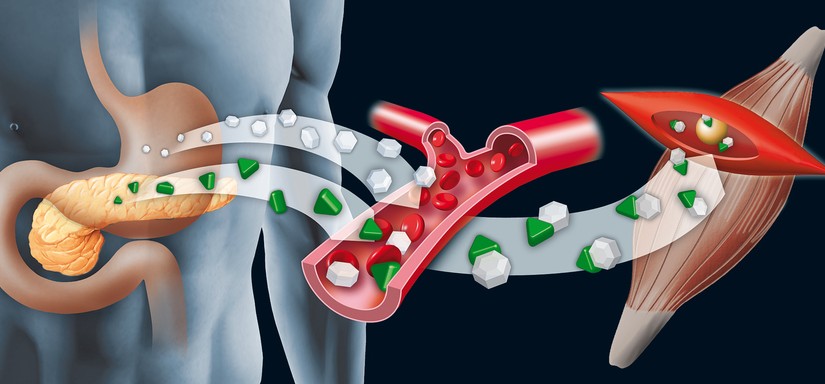
Investigating genome-environment interactions in diabetes
September 22, 2015Type 1 diabetes is a disease in which the pancreas does not produce insulin, resulting in glucose accumulation in the blood instead of being used for energy. The Challenge Type 1 Diabetes (T1D) is a complex disease often arising in childhood in which the immune system destroys the insulin producing cells of the pancreas. Insulin…

Cleaning up contaminated water
September 21, 2015Water contaminants can lead to deadly diseases such as dengue fever, cholera, dysentery, and diarrhea. DNA-based technologies can quickly and accurately detect pathogens in a water supply, identifying unsafe water before it can make people sick. KB-1 is a value-recovery tool for contaminated groundwater discovered by Dr. Elizabeth Edwards of the University of Toronto and now marketed and sold by SiREM, which is being adapted to identify a variety of contaminants, applicable across the unique conditions of developing countries.
Making every species count
September 21, 2015DNA barcoding is the use of short stretches if DNA to identify species. Making reliable and rapid species identification is essential to combating many of the threats facing our environment. The Challenge Climate change, invasive species migration and globalization of trade threaten ecosystems and biodiversity around the world Pest damage to agricultural crops costs farmers…

Autism: Genomes to outcomes
September 18, 2015Autism is a developmental disorder that appears in the first three years of life, and affects the brain’s normal development of social and communication skills. The Challenge Autism is one of the world’s most urgent public health challenges Around one in 120 newborns is likely to have autism spectrum disorder (ASD), making it more common…