

Heart failure (HF) is the most costly chronic disease in developed and developing countries. Roche Diagnostics is partnering with the University of Ottawa Heart Institute to develop a better way to identify and classify HF, based on testing novel biomarkers for the disease. These partners will conduct further clinical evaluation of eight novel biomarker candidates, with the intent of developing a HF biomarker panel and an accompanying clinical development program to translate the findings from basic research to clinical benefit of patients. The Panel aims to assist physicians in earlier identification and classification of HF and support personalized treatment that might result in more effective therapies and better outcomes for patients.
Awarded Projects

Improving wolf conservation
June 5, 2014Brent Patterson of Trent University and Linda Rutledge of the Ontario Ministry of Natural Resources & Forestry (OMNRF), are collaborating with scientists at Princeton University to improve wolf conservation in Ontario. The research team will validate and optimize a rapid and efficient genetic mapping approach on the Eastern Wolf, with potential to make genomics analysis of fish and wildlife populations more accessible to labs and researchers.

Creating a non-invasive Norway Maple
June 5, 2014Pests and disease are destroying city trees and there are no alternatives suitable to survive the extreme conditions of Ontario urban environments. In an effort to keep our cities green, Travis Banks and Darby McGrath of Vineland Research and Innovation Centre will sequence the Norway maple genome to develop a tree that is no longer invasive but which will thrive in polluted soils, withstands extreme temperatures, and suffers few diseases.

High-throughput genomics for biological assessment of environment
June 5, 2014Biomonitoring seeks to describe and understand biological diversity at multiple ecological levels, both as a means to learn the typical mix of species that can be found in different habitats, and to establish “biological early-warning systems” that can tell us when environmental stresses are reaching a critical point. Dr. Hajibabaei of the University of Guelph aims to manage national resources through ‘Biomonitoring 2.0’: a system based on DNA-sequencing technology and computational analysis which reduces costs while increasing biological sample knowledge.

Bacterial conversion of methane to bioplastics
June 1, 2014The use of plastics is widespread in society. However, the detrimental environmental consequences of plastic pollution have raised the need for alternatives. Trevor Charles of the University of Waterloo is leading a project supported by Ontario Genomics’ SPARK program that will focus on using bacterial genomics and synthetic biology approaches to create bioplastics. This work, using waste methane as feedstock, could lead to the production of valuable renewable materials from a potent greenhouse gas that is a key waste product of landfills and wastewater treatment systems.
Improving feed efficiency and reducing methane emissions
June 1, 2014The Canadian dairy industry’s contribution of $16.2 billion to Canadian GDP can be increased by an estimated $100 million annually by improving two key traits in dairy cattle: their ability to convert feed into increased milk production; and a reduction in their methane emissions. Dr. Filippo Miglior of the University of Guelph and Dr. Paul Stothard of the University of Alberta are using genomics and the phenotyping platform developed by Growsafe to select for dairy cattle with the genetic traits needed for more efficient feed conversion and lower methane emissions.
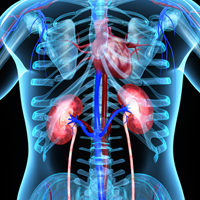
Preventing acute kidney injury after cardiac surgery
June 1, 2014More than one million cardiac surgeries are carried out each year, usually successfully. Nearly one-third of high-risk patients, however, will experience a rapid loss of kidney function after surgery, known as Acute Kidney Injury,. Drs Dumont and Van Slyke conceptualized and designed a drug called Vasculotide (VT) that binds to the Tie2 receptor, which is responsible for maintaining vascular health (and thus blood flow). Vasomune Therapeutics, the company developing and commercializing the drug, is partnering with these researchers to develop VT for human clinical trials. This work will enable improved prevention and treatment of Acute Kidney Injury.

The Cancer Genome Collaboratory
April 30, 2014Lincoln Stein’s of OICR is setting up a unique cloud computing facility which will enable research on the world’s largest and most comprehensive cancer genome dataset. Rather than requiring researchers to spend weeks downloading hundreds of terabytes of data from a central repository before computations can begin, researchers will upload their analytic software into the Collaboratory cloud, run complex data mining and analysis operations across cancer genome sequences and their associated donor clinical information, and download the compiled results in a secure fashion.

Commercial improvement of farmed Atlantic salmon using genomics
April 1, 2014Aquaculture companies are increasingly incorporating genomics technology into their breeding programs to develop desirable stock traits for improved growth and disease resistance. Cooke Aquaculture/Kelly Cove Salmon will partner with Dr. Elizabeth Boulding of the University of Guelph to incorporate genomics marker technology into Kelly Cove salmon’s current breeding program, to increase the quality and sales of Kelly Cove’s salmon, and improve profitability by reducing expenditures on vaccines and medication.

Genomics for a competitive greenhouse vegetable industry
April 1, 2014Tomatoes, peppers and cucumbers generate more than $1 billion in annual sales for the Canadian greenhouse vegetable industry. However, these plants are susceptible to a number of diseases which threaten crops and decrease profits for producers. Vineland Research and Innovation Centre has partnered with Dr. Keiko Yoshioka from the University of Toronto to use gene technologies to enhance disease resistance in greenhouse vegetables, and develop new commercial traits and varieties for Canada’s vegetable industry.