

Intracerebral hemorrhage (ICH) is a form of brain hemorrhage responsible for 10 per cent of all strokes. Dr. Xiao-Yan Wen, director of the Zebrafish Centre for Advanced Drug Discovery (ZCADD) and his team used genomics-driven research tools to identify several existing drugs already approved by the US FDA that have shown the ability to prevent ICH in zebrafish models. In this project, Edge Therapeutics is partnering with Dr. Wen to perform preclinical studies on the most potent anti-ICH molecules known as EZF-0100 for treatment of ICH and brain microhemorrhages (BMH). This may develop a way to administer the drug in a sustained release profile and may also synthesize and test analogs of EZF-0100 to determine the best drug candidate for preclinical development and clinical study in Canada and the US.
Awarded Projects

SIRPaFc: Translating genomics into cancer immunotherapy
March 1, 201696 per cent of people aged 65 or older diagnosed with acute myeloid leukemia (AML) die within five years, as do two-thirds of younger patients. Researchers from University of Toronto and University Health Network and The Hospital for Sick Children (SickKids), partnered with Trillium Therapeutics Inc. have been awarded $3.4 million through Genome Canada’s GAPP to developed SIRPaFc, a novel therapeutic that blocks the “do not eat” signal, freeing the immune system to attack leukemia stem cells. This collaboration between Drs. Wang and Danska and TTI will assist in realizing the commercial potential of this promising discovery.
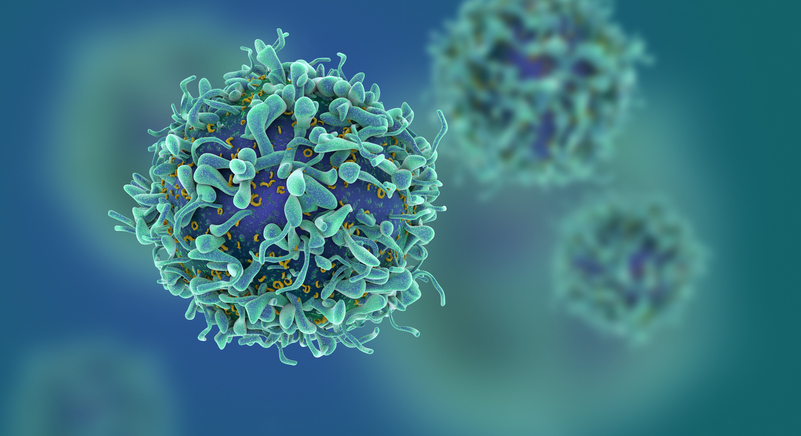
Using micro laser beams for genomics analysis
February 1, 2016Not all cells in our bodies are created equal. The differences between cells are important – they cause cells to respond in surprisingly different ways to the same drug treatments. Progress in understanding these difference has been hindered by the lack of effective tools. Drs. Bjerknes and Cheng of the University of Toronto are addressing that need with the aid of Ontario Genomics’ SPARK program. They are developing new methods for accurately tagging individual cells in intact tissues for careful study to measure its genomic status. This work will ultimately render single cell genomics more accessible to labs and researchers.
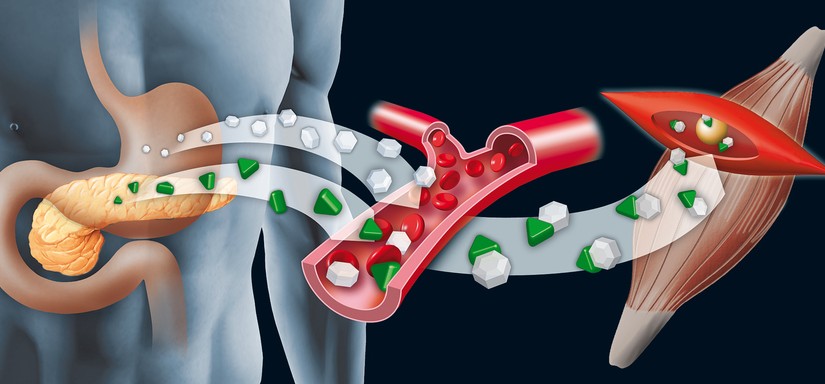
Investigating genome-environment interactions in diabetes
September 22, 2015Type 1 diabetes is a disease in which the pancreas does not produce insulin, resulting in glucose accumulation in the blood instead of being used for energy. The Challenge Type 1 Diabetes (T1D) is a complex disease often arising in childhood in which the immune system destroys the insulin producing cells of the pancreas. Insulin…

Autism: Genomes to outcomes
September 18, 2015Autism is a developmental disorder that appears in the first three years of life, and affects the brain’s normal development of social and communication skills. The Challenge Autism is one of the world’s most urgent public health challenges Around one in 120 newborns is likely to have autism spectrum disorder (ASD), making it more common…

Finding the cause of rare diseases
September 18, 2015The Challenge Genetic diseases, while often rare, have, in aggregate, an enormous impact on the well-being of Canadian families, affecting the lives of approximately 500,000 children. The majority of genes causing these conditions are still unknown. These parents go through cycles of treatment and cost the health care system an inordinate amount of money considering…
First ever use of pharmacogenomics in primary care
August 22, 2015One in five Canadians will experience some form of mental illness in their lifetime. Assurex Health is partnering with scientists at Toronto’s Centre for Addiction and Mental Health (CAMH) to develop the Enhanced GeneSight genomic test to better match patients with mental illness to antidepressant and antipsychotic medication based on their genes. They will validate new genomic markers that scientists at CAMH have identified for their ability to predict efficacy and side effects of psychiatric medications; the most predictive markers will be integrated into E-GeneSight. This is anticipated to reduce the need for “trial-and-error” approaches to prescribing and increase the likelihood that people will respond optimally to the medications prescribed for them, while reducing side effects.

Developing diverse chemical libraries
August 1, 2015Synthetic chemical libraries are a common source of drug discovery molecules. The challenge is that these libraries adhere to synthetic structures and biological activities. With the help of Ontario Genomics’ SPARK program, Drs. Nambara, McCourt and Bonetta are exposing synthesized chemical libraries to a plethora of plant enzymes using plant genomics resources to increase the diversity of these compounds exponentially, and find new functions. This will create libraries of chemical compounds for industrial uses, and increase their diversity.
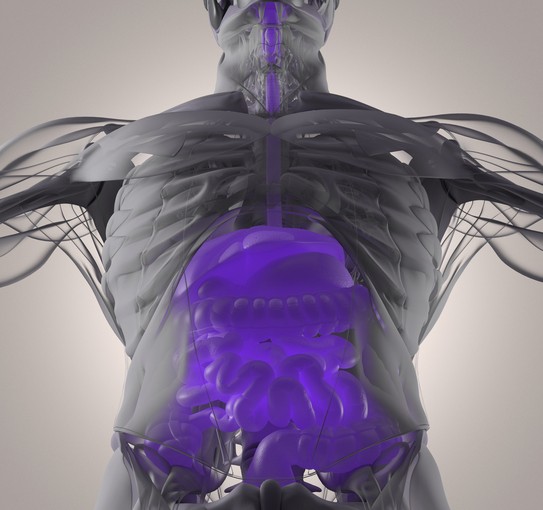
Understanding individual microbiomes
June 12, 2015The more than 1,000 different species of bacteria that colonize our gastrointestinal tract are collectively known as our microbiome. Dr. Daniel Figeys and Dr. Alain Stintzi of the University of Ottawa are developing RapidAIM, a high-throughput assay of individual microbiomes, to gain information on how drugs affect the microbiome in our GI tract, and vice versa. The team will also develop a computational program that will combine and analyze these results, to better predict drug efficacy and clinical outcomes.

Development of surrogate host-system technology
June 11, 2015Developing a bacterial surrogate host system that allows replication and engineering of large DNA fragments before reintroducing them back to the original organism.