

On December 8, 2016, the Honourable Kirsty Duncan, Minister of Science, announced the $110 million investment in the 2015 Large-Scale Applied Research Project Competition ‘Natural Resources and the Environment: Sector Challenges – Genomic Solutions.’ The 13 projects approved for funding use genomics to address the important challenges and opportunities facing Canada’s natural resources and environment…
Awarded Projects

The MaMTH assay
December 11, 2016Dr. Stagljar and his team at the University of Toronto are using a Disruptive Innovations in Genomics (DIG) award to further develop their powerful Mammalian Membrane Two-Hybrid (MaMTH) technology, to map protein-to-protein interactions (PPIs) of integral membrane proteins directly in the natural context of the cell on a large scale. This technology will be the foundation for an Ontario-based company called Protein Network Sciences that will offer easy access to this novel disruptive MaMTH technology, advancing biomedical research and therapeutic discovery while benefiting Canadian social and economic infrastructure.

Protein sequencing in situ
December 11, 2016Proteins in cells are responsible for virtually every biological process. When they don’t work properly, the result can be human diseases such as cancer, Alzheimer’s, diabetes and heart disease. Dr. Andrew Emili of the University of Toronto is developing proprietary chemical probes and tool “kits” applicable to diverse biomedical specimens that will allow researchers to identify and quantify each and every one of the many millions of different protein molecules present in human cells and tissues at an unprecedented level of detail. This work will displace existing technologies and change the study of human cell biology and medicine.

Genetic diagnostics beyond whole exomes
December 11, 2016RNAseq may provide a strategy for discovering novel genetic mutations that cause rare diseases – but can’t be used without obtaining the specific tissues in which the disease is present. Drs. Dowling and Brudno of The Hospital for Sick Children will use ex vivo disease models in place of tissue biopsies to perform RNAseq for gene mutation discovery. By combining recent advances in cell biology, genomics and bioinformatics, the lab will develop a new diagnostic methodology, fundamentally transforming the clinical diagnostics process.
Development of novel protein-protein interaction assay
December 11, 2016Proteins control every function of every cell in our body. Proteins, however, never act alone; rather, they interact with many other proteins in what are called protein-protein interactions (PPIs). Gain or loss of PPIs can be the driving force behind disease development. Dr. Igor Stagljar of the University of Toronto is leading a team to develop and implement a novel disruptive genomics technology that can detect and monitor PPIs in human cells. This technology can be used to identify novel proteins as components of many essential cellular processes, leading to greater understanding of the role of specific proteins in our cells. Furthermore, the technology also has the potential to identify drugs that disrupt a defined set of PPIs when the PPIs cause disease.

Identifying synergistic cancer therapeutics
December 11, 2016Genome sequencing has revolutionized our understanding of the genetic changes that lead to cancer. Unfortunately, treatment still remains in the relative Dark Ages, with decades-old treatments that can be highly toxic and that don’t consider the subtle genetic differences among each patient’s disease. Dr. Charles Boone and his team at the University of Toronto are developing AbSyn, a new technology that will identify combination therapies tailored to individual cancers. AbSyn stands for the development of antibodies (Ab), whose promise for treating cancer has been hugely under-realized, and synergistic (Syn) therapies for cancer based on these antibodies. AbSyn will change the way we prioritize and discover new cancer drugs, building a new bridge between the gap of biological understanding and the commercial drug discovery process.
Improving prenatal diagnostic techniques
December 11, 2016Genetic abnormalities are a leading cause of death among Canadian newborns and infants. Less invasive, less expensive prenatal diagnostic techniques that are able to provide relevant information at earlier stages of pregnancy are needed. Scientists and physicians at Toronto’s Mount Sinai Hospital have developed a method to collect and isolate fetal cells non-invasively, using a technique similar to a PAP smear. Now Dr. Aaron Wheeler’s research group at the University of Toronto is developing techniques to isolate and analyze these cells for prenatal diagnosis of genetic abnormalities. If successful, these techniques could transform the way prenatal diagnosis is delivered, resulting in higher coverage of the population, reduced patient anxiety, increased medical options for at-risk pregnancies and significant reductions in healthcare costs.

Bringing RNA-seq to clinical diagnostics
December 11, 2016Diagnostic tests based on blood samples are mainstays of the healthcare system. Adding RNA sequencing (RNA-seq) can extract more information from blood samples, including a snapshot of all the genes active in a patient’s blood cells. Such a snapshot can tell us about the current condition of the patient’s immune system, whether there are cancer cells in the blood and/or whether blood cells are fighting an infection. Drs. Michael Wilson and Adam Shlien of The Hospital for Sick Children are developing an RNA-based clinical test called SANGRE (systematic analysis of blood gene regulation in blood) that will provide unprecedented power to use RNA expression as a routine and affordable test that can better diagnose disease, disrupting clinical practice and improving the health of Canadians.
Synthetizing cancer target inhibitors
December 11, 2016Our cells remove damaged or nonfunctional proteins through a small protein called ubiquitin, which attaches to target proteins and signals their destruction. In many diseases, ubiquitin does not work as it should. Dr. Sachdev Sidhu of the University of Toronto is using an innovative high-throughput molecular genetics engineering platform, which is unique in the world and has attracted intense interest from industry and academia, to enable the rapid and cost-effective development of highly specific and potent ubiquitin-like molecules. These molecules attach to key, cancer-associated enzymes of the ubiquitin system, to block or enhance their function. The project will enable the discovery of new drug targets, speed up drug development and generate effective anti-cancer drugs with fewer side effects, all of which should be of great socio-economic benefit to Canadians.
Understanding metastatic cancers
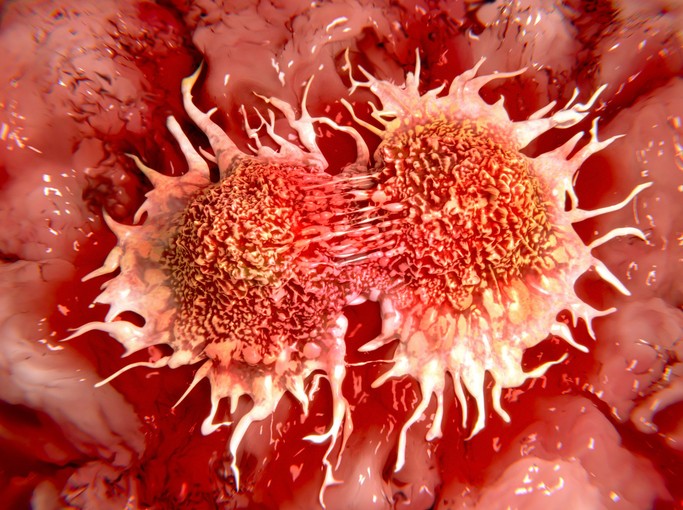
December 11, 2016Often in cancer it’s the spread of the cancer to other areas of the body, a process called metastasis, that kills. This is particularly the case with two highly lethal types of cancer, medulloblastoma (MB), the most common malignant brain tumour in children, and pancreatic adenocarcinoma, the fourth leading cause of cancer deaths in Canadians. Recent results from the lab of Dr. Michael Taylor of The Hospital for Sick Children have shown that the biology of the metastases is extremely different from the primary tumour, making it unlikely that treatments developed to treat the primary tumour will work on the metastases. Dr. Taylor has teamed with Dr. Rama Khokha (Princess Margaret Cancer Centre) to develop and deploy unique tools to discover the drivers of metastasis, helping to improve survival rates of Canadians with these deadly human cancers.